

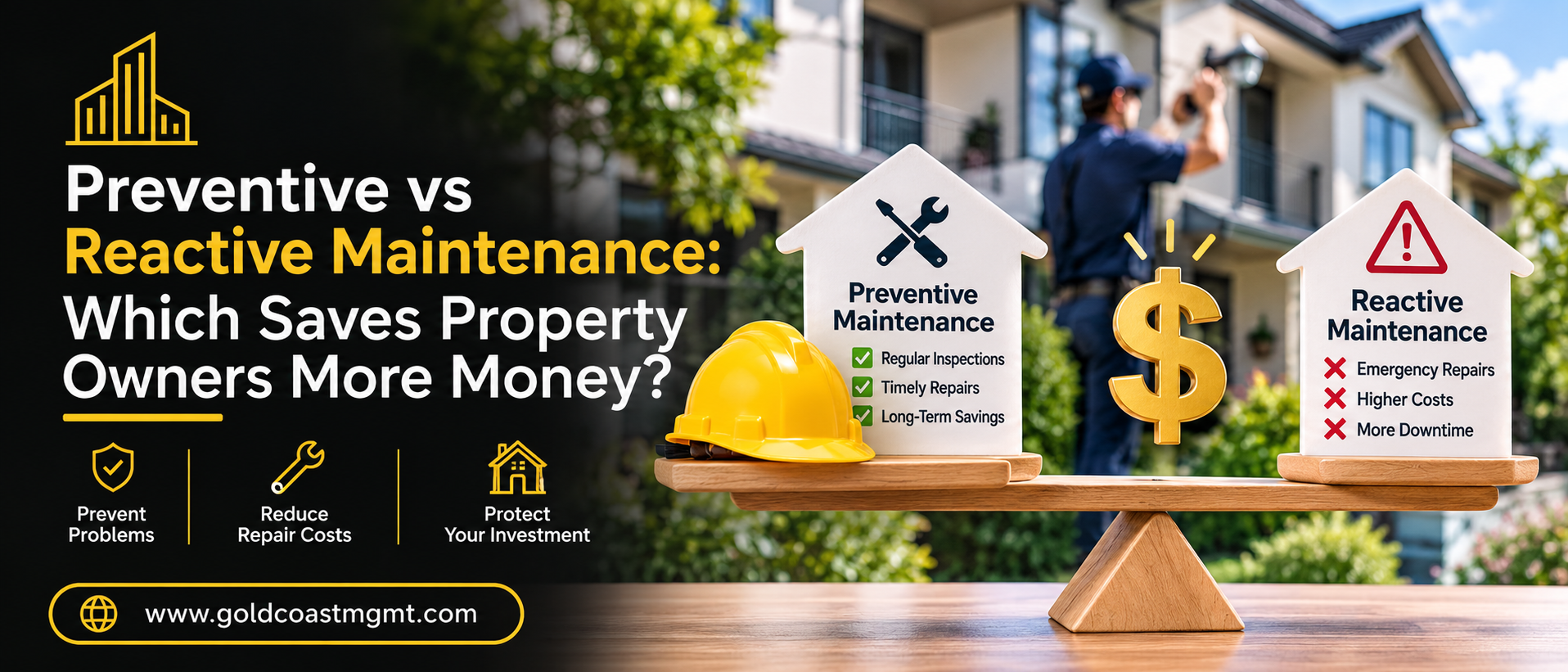
Owning a rental property involves more than collecting rent and managing tenants. Regular repairs, unexpected breakdowns, and ongoing upkeep all affect the property's operating costs and long-term value. One of the most important decisions property owners face is whether to address maintenance issues before they become serious or wait until something breaks.
Preventive maintenance focuses on identifying and resolving potential problems early. Reactive maintenance, on the other hand, involves responding after an issue has already occurred. While both approaches are necessary in property ownership, relying too heavily on reactive repairs can lead to higher expenses, tenant dissatisfaction, and avoidable damage.
For rental property owners in Connecticut, understanding the difference can help control maintenance costs, protect assets, and support better long-term investment performance.
What Is Preventive Property Maintenance?
Preventive maintenance involves regularly checking property systems, equipment, and structural components to identify early signs of wear or damage. Instead of waiting for something to fail, property owners take planned steps to keep everything functioning properly.
Common preventive maintenance tasks include:
Inspecting plumbing fixtures and checking for leaks.
Examining roofs, gutters, and drainage systems.
Servicing heating and cooling equipment.
Checking electrical systems and safety devices.
Inspecting doors, windows, and common areas.
Addressing minor repairs before they become major problems.
These activities help property owners identify concerns while they are still manageable. For example, repairing a small plumbing leak may cost significantly less than dealing with extensive water damage after the problem goes unnoticed.
A consistent maintenance plan also makes expenses more predictable. Owners can plan routine work, coordinate contractors, and reduce the likelihood of urgent repair situations.
What Is Reactive Property Maintenance?
Reactive maintenance takes place after a problem has developed or a system has stopped working. It is usually triggered by a tenant complaint, inspection finding, or unexpected equipment failure.
Examples include:
Repairing a water heater after it stops producing hot water.
Fixing a leaking pipe after water damage becomes visible.
Replacing a broken appliance.
Addressing electrical problems after a malfunction.
Repairing damaged flooring, walls, or fixtures.
Reactive maintenance is sometimes unavoidable. Equipment can fail unexpectedly, and certain problems cannot be predicted. However, depending on emergency repairs as the primary maintenance strategy can make property expenses difficult to manage.
A minor issue may become more expensive when left unresolved. A small roof leak, for instance, can eventually affect ceilings, insulation, and interior finishes. The repair may then involve several contractors and more extensive work.
Preventive vs. Reactive Maintenance: Key Differences
Both approaches help keep rental properties operational, but they differ in timing, cost control, and planning.
1. Timing
Preventive Maintenance: Planned before a failure occurs.
Reactive Maintenance: After a problem develops.
2. Cost Planning
Preventive Maintenance: Easier to budget and schedule.
Reactive Maintenance: Often unpredictable.
3. Repair Severity
Preventive Maintenance: Helps address smaller issues.
Reactive Maintenance: May involve extensive damage.
4. Tenant Experience
Preventive Maintenance: Reduces avoidable disruptions.
Reactive Maintenance: Can cause unexpected inconvenience.
5. Property Protection
Preventive Maintenance: Supports ongoing asset preservation.
Reactive Maintenance: Restores functionality after damage.
6. Management Approach
Preventive Maintenance: Proactive and scheduled.
Reactive Maintenance: Response-based and urgent.
Which Approach Saves Property Owners More Money?
Preventive maintenance often provides greater long-term savings because it helps identify problems before they become expensive repairs. Although scheduled inspections and routine servicing require an upfront investment, these costs may be lower than the expense of major replacements or emergency work.
Consider a rental property's plumbing system. A routine check may identify a minor leak that can be repaired quickly. If the leak is ignored, it could damage cabinets, flooring, drywall, or nearby electrical components. The eventual repair would likely involve more time, labor, and expense.
The same principle applies to heating and cooling equipment, roofing, appliances, and other essential systems.
Preventive maintenance can help property owners:
Reduce the likelihood of major repair bills.
Extend the useful life of equipment and building components.
Avoid unnecessary emergency service charges.
Protect the property's condition and market value.
Plan maintenance expenses more effectively.
Reactive maintenance can sometimes appear less expensive because owners only pay when something breaks. However, this approach does not account for the additional costs that may result from delayed repairs, property damage, or tenant disruption.
The most effective strategy is to schedule routine upkeep while maintaining a process for handling unexpected issues promptly.
Why Regular Property Inspections Matter
A maintenance plan is only effective when property owners know what needs attention. Regular inspections help identify visible damage, maintenance concerns, and developing problems before they become more serious.
Inspections can reveal issues that tenants may not notice or report immediately, including minor leaks, damaged fixtures, deteriorating surfaces, and signs of equipment wear.
For owners with rental properties across multiple locations, consistent inspections also provide a clearer understanding of each property's condition. Professional Rental Property Inspection Services in Fairfield can support this process by documenting property conditions and identifying areas that may require maintenance or follow-up.
Inspection findings should be recorded and reviewed so that repair priorities can be established. Addressing urgent safety or property-damage concerns first helps owners use their maintenance budgets more effectively.
Building a Practical Maintenance Strategy for Connecticut Rental Properties
Rental properties require ongoing attention, and maintenance needs can vary depending on the building's age, construction, equipment, and occupancy. Professional Property Maintenance Services in Connecticut can help owners organize routine upkeep, address repair concerns, and maintain their properties more effectively. A consistent approach helps prevent minor issues from becoming costly problems
A practical strategy should include the following steps:
1. Establish a Maintenance Schedule
Create a schedule for routine checks of important property components. Include plumbing, electrical systems, heating and cooling equipment, roofing, and shared spaces where applicable.
The schedule should reflect the property's condition and maintenance history rather than applying the same checklist to every building.
2. Prioritize Repairs Based on Risk
Not every maintenance issue requires the same response. Problems involving safety, active leaks, essential utilities, or ongoing property damage should receive immediate attention.
Less urgent cosmetic concerns can be scheduled separately. Prioritizing work helps prevent limited maintenance budgets from being spent on lower-impact issues while more serious problems remain unresolved.
3. Keep Maintenance Records
Maintain records of inspections, completed repairs, contractor visits, equipment servicing, and recurring problems. These records help owners identify patterns and make informed decisions about future maintenance.
They can also be useful when evaluating whether a component should be repaired again or replaced.
4. Work With Qualified Professionals
Some maintenance tasks require specialized knowledge, appropriate equipment, or licensed professionals. Working with qualified contractors helps ensure that repairs are handled properly and that recurring problems receive suitable attention.
Professional coordination can also reduce delays and make it easier to track outstanding work.
5. Respond to Tenant Concerns Promptly
Tenant reports can provide valuable information about a property's condition. A clear process for receiving, reviewing, and responding to maintenance requests helps prevent minor concerns from being overlooked.
Prompt communication also helps tenants understand what action is being taken and when they can expect an update.
How Professional Property Management Helps Control Maintenance Costs
Managing maintenance across one or more rental properties requires time, organization, and reliable contractor coordination. Owners who handle every responsibility themselves may find it difficult to monitor inspections, schedule repairs, maintain records, and respond to urgent requests consistently.
Working with a Connecticut Property Management Company can help organize these responsibilities through regular property oversight, maintenance coordination, and communication with tenants and service providers.
Professional management can support owners by:
Coordinating routine inspections and maintenance tasks.
Identifying repair concerns that need attention.
Arranging qualified contractors when work is required.
Tracking maintenance requests and completed repairs.
Keeping owners informed about property conditions and expenses.
Helping prioritize maintenance based on urgency and property needs.
For owners with busy schedules or properties they do not manage locally, having an organized maintenance process can make day-to-day ownership easier.
Final Thoughts
Preventive and reactive maintenance both play an important role in rental property ownership. However, relying primarily on reactive repairs can expose owners to unpredictable expenses, more extensive damage, and unnecessary tenant disruption.
A proactive maintenance strategy, supported by regular inspections, accurate records, and qualified professionals, can help property owners control costs and preserve their investments over time.
At Gold Coast Real Estate Services, we help property owners throughout Fairfield and New Haven Counties manage their properties through maintenance coordination, inspections, and professional oversight. Contact our team to learn how we can help simplify your property management responsibilities.
Frequently Asked Questions
1. Is preventive maintenance always cheaper than reactive maintenance?
Not in every situation, but preventive maintenance often reduces long-term expenses by identifying smaller problems before they develop into costly repairs. Unexpected failures can still occur, so property owners should plan for both routine upkeep and urgent repairs.
2. How often should a rental property be inspected?
Inspection frequency depends on the property's age, condition, systems, and specific needs. Owners should establish a consistent inspection schedule and arrange additional checks when a concern is reported or maintenance work is completed.
3. What maintenance issues should be addressed immediately?
Issues involving safety, active water leaks, electrical concerns, heating or cooling failures where essential, and conditions that could cause further property damage should be assessed promptly. The appropriate response depends on the nature and severity of the problem.
4. Can preventive maintenance increase rental property value?
Preventive maintenance helps preserve the property's condition by reducing avoidable deterioration and keeping important systems in working order. While it does not guarantee an increase in market value, it can support long-term asset preservation.
5. Should property owners completely avoid reactive maintenance?
No. Some failures are unexpected and cannot be prevented. Property owners should use preventive maintenance to reduce avoidable problems while maintaining a reliable process for responding to emergencies and unexpected repairs.