
How Property Managers Help Reduce the Day-to-Day Stress of Rental Ownership
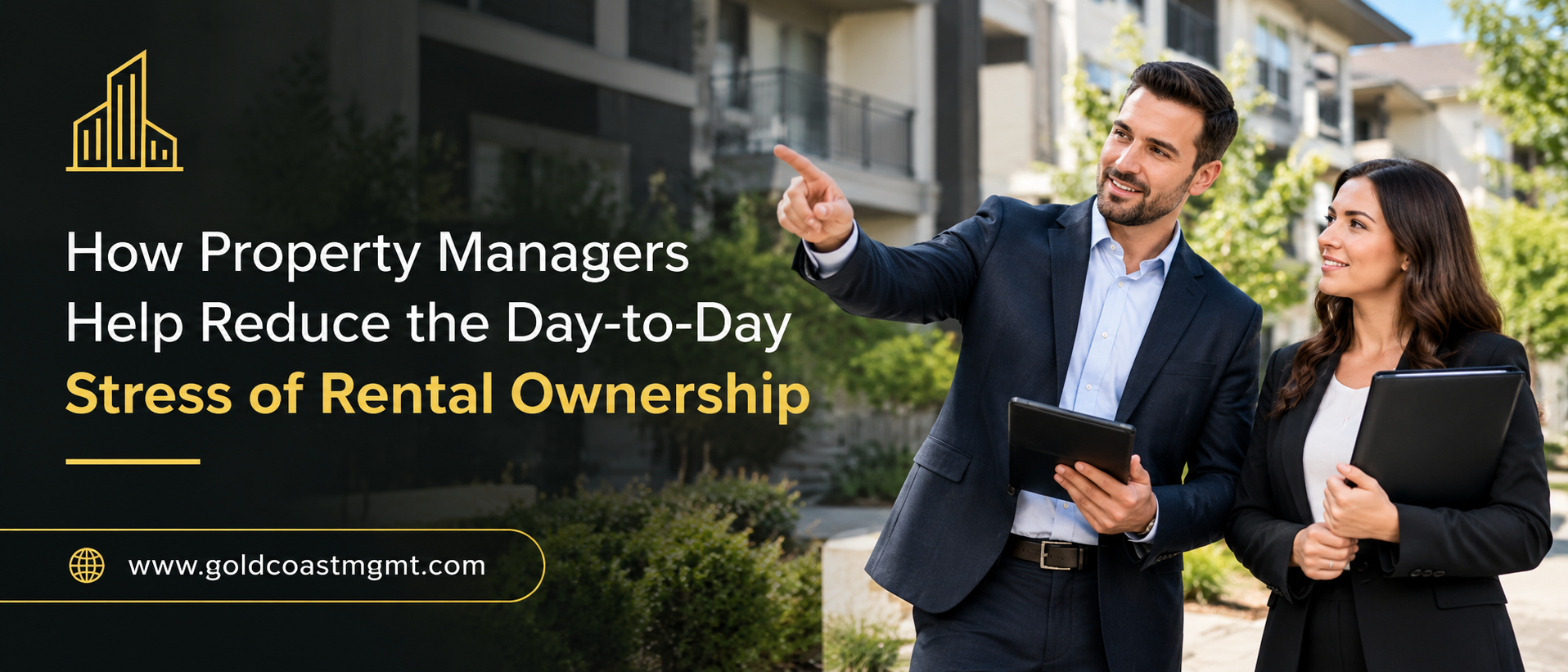
Rental property ownership is often described as a passive investment. In reality, managing a rental property can demand regular attention, even when the property is occupied and rent is coming in.
Tenant messages, maintenance requests, lease renewals, vendor coordination, and financial records all require follow-up. Each task may seem manageable on its own, but together they can turn a rental investment into another full-time responsibility.
For property owners who want to protect their investments without managing every daily detail, working with a property management company in Connecticut can provide a more organized approach to rental ownership. It allows owners to stay informed about their properties while reducing the time spent coordinating maintenance, handling leasing responsibilities, and managing routine operational tasks.
Rental Ownership Has a Mental Load Most People Don't See
Being a landlord involves more than collecting rent and paying expenses. Owners must also remember upcoming lease dates, follow up with contractors, respond to tenant questions, and ensure property issues are resolved.
These responsibilities can occupy an owner's attention long after the actual work is finished.
The Problem Isn't Always Time
An issue might take only 20 minutes to resolve, but it can interrupt a workday, family dinner, or weekend away. The repeated need to switch attention between personal responsibilities and property management can make it difficult to disconnect.
Professional management introduces a clearer separation between the owner's personal schedule and the property's daily operational needs.
The Difference Between Being an Owner and Being On Call
Without a management arrangement, owners often become the first point of contact for tenants, vendors, and maintenance concerns. Even routine questions can create an expectation that the owner must always be available.
With professional management, day-to-day communication and coordination can be handled by a designated management team, according to the agreed scope of services.
Ownership Doesn't Have to Mean Constant Availability
Imagine receiving a tenant message during dinner. The issue may not be urgent, but the owner still needs to decide whether to respond, contact a contractor, or wait until the following day.
A management team can assess the request, determine the next steps, and handle routine coordination. Matters requiring the owner's approval can be escalated appropriately.
This arrangement helps owners reserve their attention for important decisions rather than responding personally to every minor development.
Property Managers Create a Buffer Between Problems and the Owner
Rental properties will inevitably experience maintenance issues, tenant questions, and unexpected expenses. Professional management cannot eliminate these situations, but it can provide a structured way to address them.
When an issue arises, a property manager can help determine:
What happened and how urgent it is.
Whether a vendor or another professional needs to be involved.
What action should happen next.
Whether the owner needs to approve a decision.
What follow-up or documentation is required.
Not every property issue requires the owner's direct involvement. Having someone responsible for coordinating the response can reduce unnecessary interruptions and make property operations more predictable.
Fewer Surprises Can Make Rental Ownership More Predictable
Uncertainty often creates more stress than the issue itself. An owner may be comfortable paying for a repair but frustrated by unclear updates, missed appointments, or not knowing whether the work has been completed.
Professional management can establish procedures for recurring situations, including tenant requests, vendor communication, property access, lease timelines, owner approvals, and documentation.
The exact process depends on the management agreement, but the objective is consistent: routine situations should follow a defined process rather than requiring the owner to start from scratch each time.
Property Maintenance Doesn't Have to Become Your Personal Responsibility
Maintenance involves more than arranging a repair. A tenant may report a problem, a vendor may need access, materials may need to be sourced, and someone must confirm that the work has been completed.
Professional property maintenance services in Connecticut can help coordinate these responsibilities and keep owners informed about relevant developments.
A More Organized Maintenance Process
A structured maintenance workflow may include:
Receiving and documenting the maintenance request.
Assessing its urgency and determining the appropriate response.
Coordinating with a suitable vendor.
Arranging access to the property.
Communicating relevant updates.
Following up on completion.
Maintaining records of the work performed.
The goal isn't to suggest that every repair can be prevented. It's to ensure that maintenance has an established process instead of becoming another unexpected task on the owner's personal schedule.
Leasing a Property Doesn't Have to Consume Your Evenings
Vacancies introduce another set of responsibilities. Once a tenant gives notice, owners may need to prepare the property, create listings, respond to inquiries, arrange showings, evaluate applicants, manage paperwork, and coordinate move-in.
Working with a rental leasing agent in Connecticut can help centralize the leasing process and reduce the amount of direct coordination required from property owners.
A Structured Leasing Process
Depending on the management arrangement, leasing support may include:
Preparing the property for marketing.
Creating and distributing rental listings.
Responding to prospective tenants.
Scheduling property showings.
Coordinating applications and tenant screening.
Preparing lease documentation.
Organizing move-in activities.
Rather than handling each vacancy independently, owners can benefit from an established process for moving from one tenancy to the next.
Property Managers Help Owners Protect Their Personal Time
One of the most meaningful benefits of professional management is the ability to enjoy personal time without constantly monitoring property-related messages.
For owners balancing demanding careers, family responsibilities, or frequent travel, having a local team coordinate daily operations can make rental ownership easier to manage.
Consider an owner who lives outside Connecticut but owns a rental property in Stamford or Greenwich. Without local support, arranging a contractor visit or assessing a property concern could require considerable time and travel.
A local property management team can provide an on-the-ground presence, coordinate property-related matters, and keep the owner informed remotely.
The property remains an important investment, but the owner can choose a level of involvement that better fits their schedule.
Professional Management Can Reduce Decision Fatigue
Property management involves repeated decisions: Which vendor should handle a repair? Does an issue require immediate attention? When should a property be shown? Does a request require owner approval?
Individually, these decisions may be straightforward. Over time, however, the constant need to evaluate and coordinate small matters can become demanding.
Not Every Decision Needs to Reach the Owner
An effective management arrangement clarifies which responsibilities fall to the property manager and which require the owner's involvement.
The owner's role: Investment direction, major financial decisions, and approvals specified in the management agreement.
The manager's role: Day-to-day execution, routine coordination, communication, and operational follow-up within the agreed scope.
This division allows owners to remain involved in decisions that affect their investment while delegating routine responsibilities appropriately.
Communication Can Become More Structured
Receiving frequent updates does not necessarily mean an owner is well informed. When information arrives through multiple channels without clear priorities, it can be difficult to identify what needs attention.
Professional management can help organize communication so owners receive relevant information about property operations, maintenance, financial activity, and decisions requiring approval.
Owners Still Need Visibility
Delegating daily responsibilities should not mean losing sight of the investment.
Useful owner communication should clarify:
What is happening with the property.
Which issues require attention or approval.
What maintenance work has been completed or remains outstanding.
What financial activity has occurred.
What significant developments may affect the property.
Gold Coast's property reporting services can support owner visibility by helping organize relevant property and financial information.
The objective is not simply to reduce communication. It is to make communication more useful, timely, and organized.
Rental Ownership Can Become Easier to Scale
Managing one rental property may feel manageable until an owner acquires another. Additional properties bring more tenant relationships, leasing cycles, maintenance needs, records, and financial activity.
As a portfolio grows, the number of moving parts increases. Without a consistent operating structure, the owner's workload can grow alongside the portfolio.
Professional management can provide processes for coordinating multiple properties, helping owners focus more of their attention on portfolio performance and investment decisions.
The work involved in owning additional properties doesn't disappear. However, a management structure can change how much of that work the owner must personally handle.
Technology Helps Owners Stay Informed Without Staying Involved
Digital tools can make routine property information easier to organize and access. Buildium's 2026 Renters' Report found that 98% of renters ages 80 and under are open to completing rental processes online.
Although this statistic describes renter preferences rather than owner stress directly, it highlights the growing role of digital processes in rental housing.
Depending on the systems a management company uses, technology can help organize:
Property and financial records.
Lease documents.
Maintenance requests and updates.
Tenant communication.
Reporting and other property information.
For owners, organized digital records and reporting can make it easier to understand what is happening without requesting separate updates for every routine matter.
Technology does not replace local expertise or personal service. It can complement them by making information more accessible and processes easier to track.
A Property Manager Doesn't Make Problems Disappear
Professional management is not a guarantee that a property will never experience a vacancy, unexpected expense, maintenance problem, or difficult tenant conversation.
Rental properties are physical assets, and issues will happen.
The practical benefit of management is having an established process and a designated person responsible for handling those issues within the scope of the agreement.
A leaking water heater still needs attention. A vacant unit still needs to be marketed. A tenant question still needs an appropriate response.
The difference is that the owner does not necessarily have to diagnose the problem, coordinate the response, schedule appointments, communicate with everyone involved, and follow up personally.
What a Less Stressful Ownership Model Can Look Like
Consider two landlords with similar rental properties.
Landlord A receives every tenant message directly, coordinates vendor appointments, manages leasing activity, and tracks property documents independently.
Landlord B has a management team handling routine communication and coordination. Property matters follow established processes, the owner receives relevant updates, and decisions requiring approval are brought to their attention.
Both landlords own rental property, but their day-to-day experiences can be very different.
The properties themselves may be similar. The operating structure is what changes.
Final Thoughts
The challenge of rental ownership isn't always the amount of work involved. Sometimes, it is the constant interruption caused by responsibilities that can arise at any time.
Professional property management can create a layer between owners and the everyday operational demands of their rental properties. Tenant communication, maintenance coordination, leasing activity, and routine follow-up can be handled through established processes, allowing owners to remain informed without being constantly involved.
For landlords in Fairfield and New Haven Counties, Connecticut, this approach can make ownership more manageable while helping them stay focused on their financial goals and personal priorities.
Rental property should support your financial goals, not consume all of your personal time.
Ready to Make Rental Ownership Less Demanding?
Gold Coast Real Estate Services helps property owners throughout Fairfield and New Haven Counties manage the operational side of rental ownership while maintaining clear communication and owner visibility.
If you're spending too much time managing your rental property, contact Gold Coast Real Estate Services to discuss how a structured approach to property management can help you reclaim your time and manage your investment with greater peace of mind.